Reviews U.S. patent policy, the Trump-era PTO’s approach, recent IPR changes, the impact of Oil States, and notable patent cases shaping current practice.

The patent system is experiencing significant change under the second Trump Administration, as the USPTO revises PTAB procedures and shifts interpretations of patent law. Those changes will also impact litigants’ strategies in the federal courts. Practitioners must adapt quickly to stay ahead.
Join Jason A. Lief, Partner at Windels Marx, for this CLE webinar. He will explore the changing patent landscape, discuss the possible effects of policy changes with respect to different industries, and share practical strategies for protecting innovation and challenging invalid patents in a changing legal environment. Attendees will learn how the Trump Administration’s changes may impact patent enforcement and defense.
Key learning outcomes and topics include:
By the end of this session, professionals will possess a clearer roadmap of the current patent ecosystem, enabling them to better advise clients on litigation risks and investment strategies.

Live and Recorded CLE & CPE Webcasts in the Legal, Tax, Finance, Risk, Compliance and Human Resources Industries
Founded in November 2006, The Knowledge Group has established itself as a premier eLearning hub for Continuing Legal Education (CLE), Continuing Professional Education (CPE), and technology-focused webcasts. We equip lawyers, accountants, and industry professionals with expert-driven insights, timely regulatory updates, and practical strategies to help them stay ahead in an ever-evolving landscape.
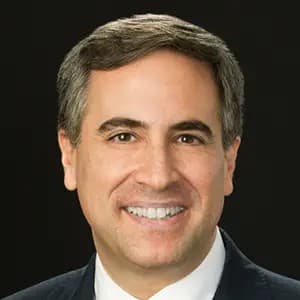
Partner at Windels Marx Lane & Mittendorf, LLP
Jason Lief is a premier patent trial lawyer with 25 years of experience. He has litigated and tried dozens of major patent and other intellectual property cases on behalf of some of the world’s most innovative and dynamic companies, often involving billion-dollar products. Applying his legal and scientific training, Jason has established a reputation for winning outcomes and courtroom excellence. Beyond litigation, Jason also counsels clients on various intellectual property issues. Jason’s approach is to partner with clients to comprehensively understand the scientific, legal and business concerns they face. Listening to clients and asking the right questions is the key to winning. As Jason often says, “litigation is the art of the question.
