LF logo
by learnformula
search
Log in
search
Courses/Law/Property / Real Estate Law

Title Insurance in Commercial Real Estate Transactions

Master the complexities of title insurance to mitigate risks, resolve hidden defects, and ensure seamless closings for high-value commercial real estate deals.
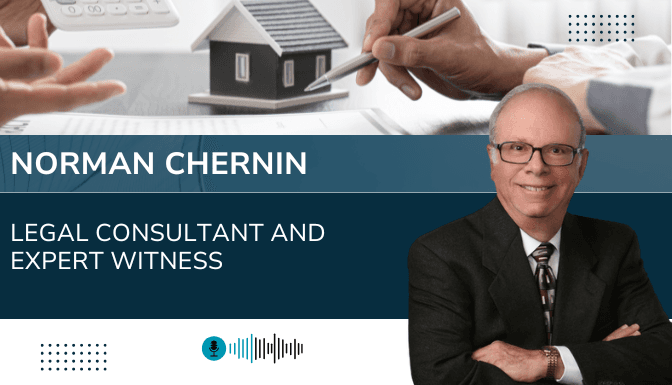
Created byNorman Chernin
BeginnerUpdated Jun 4, 2026
Title Insurance in Commercial Real Estate Transactions

What You'll Learn

check_circleAnalyse the structure and coverage scope of ALTA owner’s and lender’s title insurance policies, including key exclusions and coverage distinctions
check_circleEvaluate Schedule B exceptions and determine which require resolution, negotiation, or endorsement-based mitigation
check_circleIdentify and apply key commercial real estate endorsements and understand their practical impact on risk allocation
check_circleAssess common commercial title defects and the available mechanisms for resolving or insuring over them
check_circleRecognise how complex financing and development structures affect title risk and underwriting outcomes

About This Course

Commercial title insurance is often treated as a closing formality, but in reality, it is a core risk allocation tool in sophisticated real estate transactions. In commercial deals, the policy is where hidden defects, unresolved encumbrances, and structural financing risks are either meaningfully addressed—or quietly pushed through to post-closing exposure. Understanding how underwriters think, what they will and will not insure, and how exceptions and endorsements actually operate is critical to protecting client value.

This session takes a practical, underwriter-informed approach to commercial title insurance, focusing on how risk is identified, negotiated, and ultimately transferred in real estate acquisitions and financings. It explores how commitments are reviewed in practice, how common defects are resolved or insured over, and how key endorsements shape coverage in complex transactions involving leasing structures, development sites, and structured finance.

Key Topics Discussed
  • Structure and function of ALTA owners’ and lenders’ title insurance policies
  • Standard vs extended coverage and practical implications for Schedule B exceptions
  • Reviewing and negotiating Schedule B exceptions in commercial transactions
  • Common commercial title defects and methods of resolution or insuring over
  • Key endorsements (ALTA 3, 9, 22, and others) and when they matter in practice
  • Easements, CC&Rs, survey issues, and encroachment risk analysis
  • Mechanics liens, gap risk, and pre-closing exposure points
  • Title issues in ground leases, defeasances, and structured finance deals
  • Underwriter decision-making: what gets insured, modified, or excluded
  • Practical negotiation strategies for improving coverage position in transactions

Your Instructor

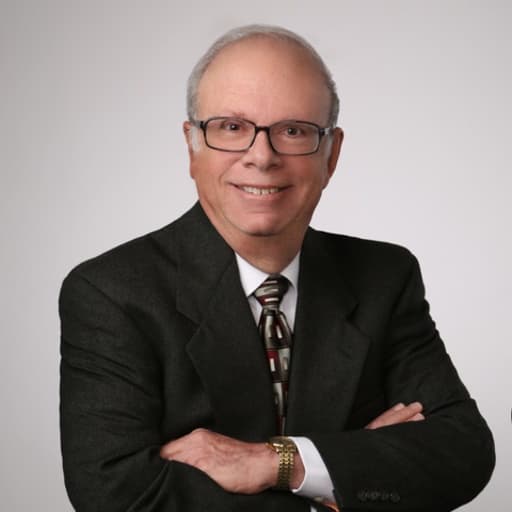
Norman Chernin
Norman Chernin

Legal Consultant and Expert Witness

menu_book1 courses

Mr. Chernin has been a licensed attorney in California for more than 50 years. During his career, he was a transactional commercial real estate counsel for the Prudential Realty Group and Hilton Hotels Corporation. He was also Underwriting Counsel for both First American Title Insurance Company and The Fidelity Group of Title Companies (Chicago Title, Commonwealth Land Title, Fidelity Title and Ticor Title). Mr. Chernin earned a B.A. in International Relations from UCLA and a J.D. from Loyola Law School in Los Angeles, where he was elected to membership in the St. Thomas More Law Honor Society, and where he placed first in the School’s Scott Moot Court competition. Mr. Chernin has been a speaker at seminars on real estate and title insurance issues presented by the Los Angeles County Bar Association Real Property Section, the Los Angeles Escrow Association and other program sponsors. He has written extensively on these topics in preparing materials for these seminars. Currently, Mr. Chernin limits his practice to acting as a legal consultant to attorneys and as an expert witness on title-related matters.

Credit Information

What Students Are Saying

0.0
Student's Choice
0 reviews

Frequently Asked Questions

We are a registered provider with 327+ associations and regulatory bodies worldwide. We operate across 29 global markets including Canada, the US, Australia, and the UK. Every course page clearly displays its specific accreditations. Upon completion, you receive a professional certificate that can be validated online. Our certificates include all necessary accreditation details, credit hours, and completion dates, and are formatted specifically to meet the submission requirements of most global regulatory bodies.