Uncover hidden data vulnerabilities in large language models and learn proven strategies to protect sensitive enterprise information from critical leaks and compliance failures.
Generative AI is being deployed at unprecedented speed across legal, professional, and commercial environments—but its rapid adoption is outpacing traditional privacy safeguards. This webinar explores why generative AI introduces fundamentally new privacy risks, from training data exposure to unintended data retention and inference leakage, and why existing privacy frameworks are struggling to keep up.
Participants will examine the full lifecycle of AI-related privacy risk, including the four key failure points where data exposure typically occurs. The session also evaluates current regulatory responses, including emerging global legislation and structured governance approaches such as the NIST Privacy Framework, Privacy-Enhancing Technologies (PETs), and AI data stewardship models. Practical organizational strategies will be highlighted to help teams build compliant, trustworthy, and resilient AI systems.
Designed for professionals working with data, technology, compliance, or legal risk, this session delivers clear, actionable guidance on how to balance innovation with privacy protection in the age of generative AI.
Key Topics Discussed:
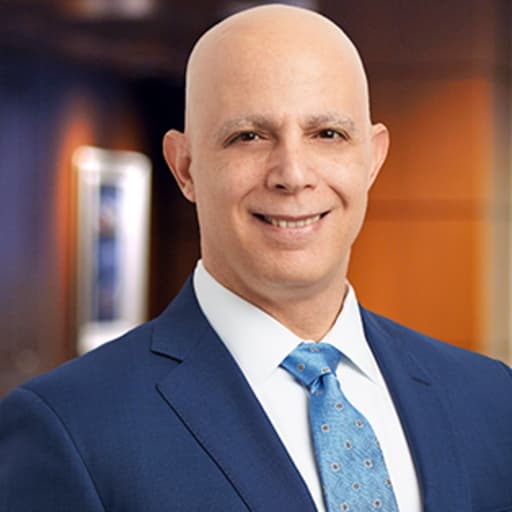
Artificial Intelligence, Cybersecurity, and IP Attorney | Maslon LLP
Eran Kahana is an AI, cybersecurity, and intellectual property lawyer as well as a Fellow at Stanford Law School, a member of the Advisory Board of Stanford Law School’s Stanford Artificial Intelligence & Law Society, an adjunct professor of law at the University of Minnesota Law School, and a member of the Scientific Council of the Israeli Association for Ethics in Artificial Intelligence. In his practice, Eran counsels clients on a wide variety of matters related to AI, cybersecurity, privacy, technology law, trademarks, patents, and copyright issues. Eran also serves in a variety of cybersecurity thought leadership roles and works closely with the FBI, Department of Justice, Secret Service, and colleagues from the private and academic sectors to set, promote, and sustain cybersecurity best practices. At Stanford Law School, Eran writes and lectures on the intersect between law and AI and is a frequent speaker at Stanford's annual Digital Economy Best Practices Conference. He has been cited in Oxford University Professor Marcus Du Satoy’s book The Creativity Code: Art and Innovation in the Age of AI and has been interviewed on AI, cybersecurity, privacy, and technology law by Bloomberg Law, BBC, Canadian Broadcasting Corporation (CBC) radio, KABC radio, Minnesota Public Radio, Twin Cities Business magazine, Star Tribune, Minnesota Lawyer, TheStreet.com, Quartz magazine, and Stanford University Radio, KZSU FM.
