LF logo
by learnformula
search
Log in
search
Courses/Law/Business/ Corporate Law

M&A Due Diligence: Legal Risk and Buyer Protection

Master the M&A due diligence process by uncovering hidden liabilities, mitigating complex legal risks, and structuring strong agreements to safeguard buyer investments.
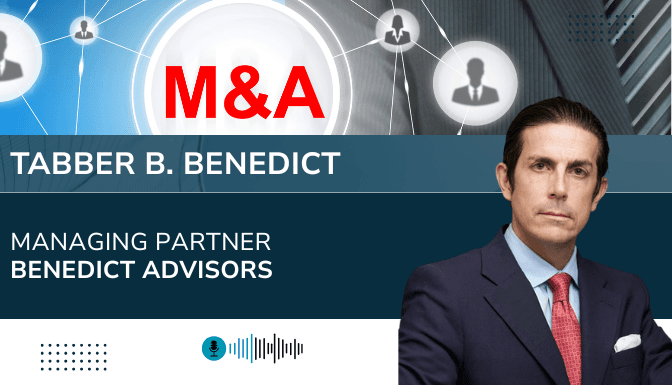
Created byTabber B. Benedict
BeginnerUpdated Jun 9, 2026
M&A Due Diligence: Legal Risk and Buyer Protection

What You'll Learn

check_circleExplain the role of legal due diligence in M&A as a tool for risk identification, allocation, and pricing, rather than a procedural checklist.
check_circleApply practical approaches to scoping and prioritising due diligence, with a focus on identifying material legal and commercial risk areas.
check_circleTranslate due diligence findings into negotiated deal terms, including representations, warranties, indemnities, and other risk allocation mechanisms.
check_circleEvaluate M&A transactions from both buyer and seller perspectives, including how commercial considerations shape deal protection strategies and negotiation outcomes.

About This Course

Legal due diligence in M&A is not a checklist exercise — it is a critical process for identifying, allocating, and pricing risk. The quality of diligence directly shapes deal value, negotiation strategy, and the effectiveness of contractual protections when issues arise post-closing.

This session examines M&A due diligence from a practical, deal-focused perspective, exploring how findings translate into negotiation positions, how risk is reflected in representations and warranties, and how indemnity and deal protection mechanisms are structured to balance risk allocation with commercial reality. It is designed for transactional lawyers advising both buyers and sellers across private equity, strategic, and independent sponsor transactions.

Key Topics Discussed

  • Due diligence as risk identification and allocation
  • Scoping and prioritising legal due diligence
  • Common post-closing dispute risk areas
  • Translating diligence findings into deal terms
  • Representations and warranties drafting strategy
  • Indemnities and risk allocation structures
  • Deal protection mechanisms and practical use
  • Buyer vs seller perspectives in negotiation
  • Private equity and independent sponsor deal considerations
  • Commercial balancing of risk and transaction viability

Your Instructor

Tabber B. Benedict
Tabber B. Benedict

Managing Partner | Benedict Advisors

menu_book1 courses

As Founder and Managing Partner at the law firm Benedict Advisors, Tabber brings a wealth of knowledge and experience from over 13 years of work on some of the most complex transactions in the world, valued at over $75 billion in the aggregate. Tabber’s involvement in high-profile mergers, acquisitions, and unique corporate transactions and partnerships across an array of industries places him at the center of deals that require creativity, perseverance, and determination. Tabber began his career at White & Case and Schulte Roth and has worked on mergers and acquisitions for clients including Cerberus, Apollo, Fortress, and many Fortune 500 companies. His tenacity and responsiveness are core to the value he brings to leanly staffed, elite, sophisticated transactional teams. He brings a business-minded, solutions-focused approach to the Benedict Advisors transaction practice. Mr. Benedict is admitted in New York and the U.S. District Courts for the Southern and Eastern Districts of New York.

Credit Information

What Students Are Saying

0.0
Student's Choice
0 reviews

Frequently Asked Questions

We are a registered provider with 327+ associations and regulatory bodies worldwide. We operate across 29 global markets including Canada, the US, Australia, and the UK. Every course page clearly displays its specific accreditations. Upon completion, you receive a professional certificate that can be validated online. Our certificates include all necessary accreditation details, credit hours, and completion dates, and are formatted specifically to meet the submission requirements of most global regulatory bodies.