Navigate B Corps, nonprofits, and hybrid models to choose the optimal legal framework that protects your mission, attracts investors, and builds a foundation for scalable change.

Mission-driven organizations often face a fundamental legal question at formation: should they operate as a nonprofit, a for-profit enterprise, or a hybrid structure designed to balance both mission and commercial objectives? The answer can shape governance, fundraising capacity, tax treatment, liability exposure, and long-term operational flexibility for years to come.
This practical session explores the legal and structural frameworks available to social enterprises and impact ventures, with a particular focus on how entity choice affects growth, revenue generation, investor participation, and charitable compliance obligations. Attendees will gain a clearer understanding of nonprofit and hybrid models, including 501(c)(3) organizations, benefit corporations, L3Cs, and multi-entity arrangements increasingly used by mission-driven ventures.
Through real-world legal and operational considerations, the session provides a practical framework for evaluating entity structures, managing earned revenue activities, navigating unrelated business income issues, and balancing social impact objectives with commercial sustainability.
Key Topics Discussed
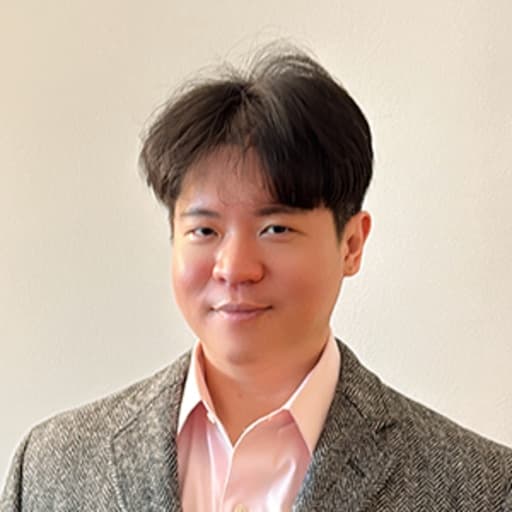
Principal Attorney at James Hsui, PLLC
James Hsui is a New York City based lawyer and expert in nonprofit law, business law and international law. He serves as counsel and provides bespoke solutions to non-profit organizations, civil society, charities, NGOs, 501(c)(3)s, visionaries, advocates, social enterprises, entrepreneurs, businesses, companies, governments, international (intergovernmental) organizations, international civil servants, diplomats, and other individuals and organizations, in New York and internationally, to secure their legal and non-legal interests in the United States and all over the world. Prior to founding his firm, James Hsui, PLLC, James worked as political affairs adviser, and principal legal adviser to a high-ranking diplomat in the United Nations system, and worked closely with non-governmental organizations, United Nations system entities, states and governments, international organizations and multinational companies, to advance the vision of the United Nations charter -- a world that is characterized by peace, human rights, justice, respect, tolerance and solidarity. With an extensive background in international law, international relations and diplomacy, he has deep knowledge and expertise in international, foreign and cross-border transactions, activities, programs and operations. James currently serves as General Counsel of an internationally operating 501(c)(3) public charity dedicated to advancing the United Nations Sustainable Development Goals. He also serves as Secretary of a working group of high-level diplomats dedicated to addressing issues of common concern between the United Nations and Africa -- a role he has held since his time at the United Nations. Additionally, he serves as a member of the board of directors of the BK Style Foundation, which seeks to create a better, more sustainable and equitable world, through fashion. James earned his Juris Doctor degree from Brooklyn Law School, which awarded him its 2012 International Economic Law prize. While in law school, he focused his studies on public and private international law, and served as executive articles editor of the Brooklyn Journal of Business, Corporate and Commercial Law. Before embarking on a legal career, James attended the University of Oregon, earning a bachelor's degree in dance, and was also a championship level competitive ballroom dancer.
