LF logo
by learnformula
search
Log in
search
Courses/Tax/NASBA - Taxes *

IRS Representation Series - Doing Offer - In - Compromise

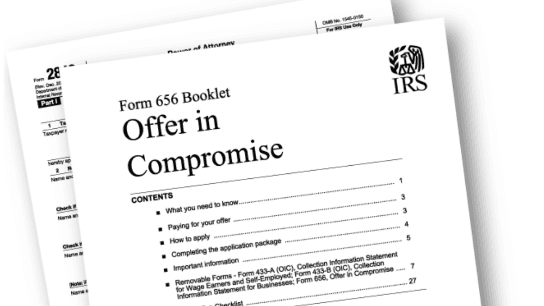
How to Complete the Form 656 Application.
Created byLambers Inc.workspace_premium
4.0
(2 reviews)
AdvancedUpdated Jan 21, 2025
IRS Representation Series - Doing Offer - In - Compromise

What You'll Learn

check_circleDifferentiate which type of OIC is appropriate
check_circleRecognize how to prepare the OIC and present the offer
check_circleIdentify functions of an IRS field team visiting employers who are delinquent on their payroll tax payments
check_circleIdentify the taxpayers role when it comes to Effective Tax Administration (ETA)
check_circleRecognize if there is any way to get the IRS to accept the higher numbers, if your client's expenses are well over the National Standards
check_circleIdentify what you should do when sending documents to the IRS
check_circleDescribe the percentage of submitted Offers in Compromise (OICs) does the IRS accept (rounded to the nearest percentage)
check_circleRecognize what level of tax liability will a taxpayer's file be turned over to Revenue Officers (ROs) in the field
check_circleDifferentiate reasons the IRS would even consider an OIC when they have the power to collect the money, attach assets, levy wages, and bank accounts
check_circleDescribe the three types of Offer in Compromise
check_circleRecognize which forms are worked with during offers in compromise
check_circleIdentify which set of expenses the IRS must use when preparing the monthly income and expense statement on any version of Form 433
check_circleRecognize acceptable negotiation strategies
check_circleDescribe conditions when you make a Lump Sum Offer
check_circleDescribe the maximum number of months of cash flow to take into account for an offer in compromise
check_circleRecognize why we reduce the available cash from $4,994 to zero in assets

About This Course

An Offer-in-Compromise (OIC) allows taxpayers to reach an agreement with the IRS to pay less than the total owed. You'll receive a detailed 6- step guide to requesting an OIC to achieve a reasonable settlement for your client.

This course will cover the following topics:

-Understanding the Offers -Doubt as to Liability -Effective Tax Administration -Doubt as to Collectability -Influence/optimize the outcome -Strategies for Offers -Presenting the Offer -Setting Expectations -Plan for Appeals

Field of Study: Taxes IRS Field of Study: Federal Tax

Your Instructors

Lambers Inc.
Lambers Inc.
menu_book100 courses
star4,514 reviews

Lambers, Inc. is a leader in review courses for the EA, AFSP, and CPA exams. Lambers also offers IRS Continuing Education for Tax Preparers and CPE for CPAs. Accounting and finance professionals around the world incorporate Lambers products into their training programs.

Eva Rosenberg
Eva Rosenberg

EA, CTC, CTRS (the Internet’s TaxMama®)

Eva Rosenberg, EA, CTC, CTRS (the Internet’s TaxMama®) has a BA in Accounting and an MBA in International Business. Eva developed the EA Review course for UCLA over 20 years ago and has been teaching her own comprehensive EA course online for 15 years. Eva is a member of the IRS’ Los Angeles Stakeholder Practitioner Liaison team, and is the award-winning author of two best-selling books, Small Business Taxes Made Easy, published by McGraw-Hill and Deduct Everything! from Humanix Publishing. Eva was also a columnist for Dow Jones’ www.MartketWatch.com for nearly 15 years.

Credit Information

What Students Are Saying

4.0
Student's Choice
2 reviews

Frequently Asked Questions

We are a registered provider with 327+ associations and regulatory bodies worldwide. We operate across 29 global markets including Canada, the US, Australia, and the UK. Every course page clearly displays its specific accreditations. Upon completion, you receive a professional certificate that can be validated online. Our certificates include all necessary accreditation details, credit hours, and completion dates, and are formatted specifically to meet the submission requirements of most global regulatory bodies.