We will discuss typical situations in which a cross-border transaction arises, and how a taxpayer can utilize the rules to potentially decrease an entities effective tax rate.

Join Allison McLeod, CPA for an introductory course in international cross-border transactions. We will discuss typical situations in which a cross-border transaction arises, and how a taxpayer can utilize the rules to potentially decrease an entity's effective tax rate. Other issues, such as documentation and IRS audit risk will also be covered. These rules will be illustrated by a hypothetical US-Canada transaction.
Field of Study: Taxes
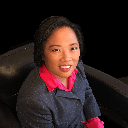
Allison M. (Yee) McLeod, LL.M., JD, CPA, is currently a Senior Lecturer at the University of North Texas in Denton, Texas. She received Bachelor of Business Administration and Juris Doctor degrees from Baylor University, and a Master of Legal Letters (LL.M.) degree specializing in Taxation from the Southern Methodist University School of Law. Professor McLeod has also studied British and Art History at the University of Sussex, England. Prior to joining the UNT faculty in 2010, Professor McLeod held the position of Director of Tax Planning and IRS Audits for Lehigh Hanson North America, a major manufacturer of cement, aggregates and other building materials. Her practice included both federal and international tax planning. Professor McLeod also spent thirteen years specializing in Tax Planning with the JCPenney Corporation, Inc., and two years with Deloitte & Touche in Dallas. Professor McLeod has taught at the university level graduate classes on Ethics, Tax Research, Multi-jurisdictional Taxation, Individual Taxation and Corporate Income Tax in the past and currently teaches Financial Accounting and Ethics. She has also taught at the UNT College of Law as adjunct faculty. Since 2011, Professor McLeod has been honored to present live and on-line ethics CPE classes to CPAs across the nation. She also serves as an expert witness in accounting malpractice cases and maintains a small private practice serving individuals and small businesses. Professor McLeod has also taught at the University of North Texas College of Law as adjunct faculty. She has served on the Professional Ethics Committee of the Texas Society of CPAs and the AICPA CPA Exam REG Subcommittee. Professor McLeod is licensed to practice law by the State Bar of Texas since 1992 and has been a Certified Public Accountant since 1993.
