Two elements of the Performance Standards which include: managing the internal audit function and the nature of work considered within the realm of internal auditing.
As a profession, internal auditors look to the Institute of Internal Auditors (IIA) Standards to provide guidance on how to most effectively execute their fiduciary role. Part One of this series introduced the overall Standards, Mandatory Guidelines, Core Principles, Code of Ethics, and Attribute Standards. These are important concepts that internal auditors, management, and the board should understand. These guidelines provide the foundation for the profession and are written to ensure effectiveness and consistency in the execution of internal auditing.
This segment will focus on two elements of the Performance Standards which include: managing the internal audit function and the nature of work considered within the realm of internal auditing. Each of these components is critical to the effective execution of internal audit responsibilities.
Requirements for managing internal audits extend far beyond managing a specific project or individual audit. It includes management of the entire audit process from development through to execution and reporting. It also includes:
-Ensuring the team has the relevant knowledge and expertise for engagement assignments -Appropriate resourcing and budgeting exists to support the Mission of the function -Establishing the right communication protocols with management and the board.
When examining the nature of work of internal audit, the Institute of Internal Auditors Standards outlines three very critical areas that internal auditors should be engaged with. These include:
-Controls -Risk Management -Governance
Inherently, most individuals within management understand the requirements around internal audit’s evaluation of controls, but many struggle with how or if an internal audit should be involved in risk management and governance activities.
This course delves deeper into managing the internal audit activity and the challenges that may be faced along with properly identifying the internal audit's nature of work. The participant will come away with an appreciation for the intent of the Standards and recognition of alternatives to promoting the value-oriented activities internal audit can provide to an organization.
Field of Study: Auditing
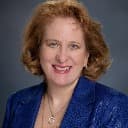
Lynn Fountain has over 45 years of experience spanning public accounting, corporate accounting and consulting. 24 years of her experience has been working in the areas of internal and external auditing. She is a subject matter expert in multiple fields including internal audit, ethics, fraud evaluations, Sarbanes-Oxley, enterprise risk management, governance, financial management and compliance. Ms. Fountain has held two Chief Audit Executive positions for international companies. In 2011, as the Chief Audit Executive for an international construction/ engineering firm, she was involved in the active investigation of a joint venture fraud. The investigation included work with the FBI and ultimately led to indictment of the perpetrators and recovery of $13M. Ms. Fountain is currently engaged in her own training and consulting business and is a regular trainer for the AICPA. Ms. Fountain is the author of three separate technical books. “Raise the Red Flag – The Internal Auditors Guide to Fraud Evaluations” was published by the Institute of Internal Auditors Research Foundation. -“Leading The Internal Audit Function” and -“Ethics and The Internal Auditor Political Dilemma” were published by Taylor & Francis In addition Ms. Fountain was a contributing author to the certification program exam for the National Association of Accountants. She also has certificate programs on various on-line platforms. Ms. Fountain has performed as an adjunct instructor for the School of Business for Grantham University and developed the first internal audit curriculum for the School of Business at the University of Kansas. Ms. Fountain obtained her BSBA from Pittsburg State University and her MBA from Washburn University in Kansas. She has her CGMA, CRMA credentials and CPA certificate (non-active).
