Navigate the evolving legal landscape of AI-generated content to protect your intellectual property and avoid costly infringement risks
Generative AI is transforming the creative landscape at unprecedented speed—but it is also destabilising long-standing assumptions in copyright law. As AI systems move from training on vast datasets to producing highly realistic outputs, new legal tensions are emerging around ownership, originality, and infringement.
This course provides a clear, practical breakdown of how generative AI actually works and why copyright law is now under pressure at every stage: from data collection and model training to output generation. We examine the core legal battlegrounds—including fair use, market impact, memorisation risks, and the copyrightability of AI-assisted works—through a structured, lawyer-focused lens.
Attendees will leave with a grounded understanding of the risks, the key legal arguments shaping current disputes, and the emerging frameworks and licensing approaches that may define the next phase of AI governance.
Key Topics Discussed:
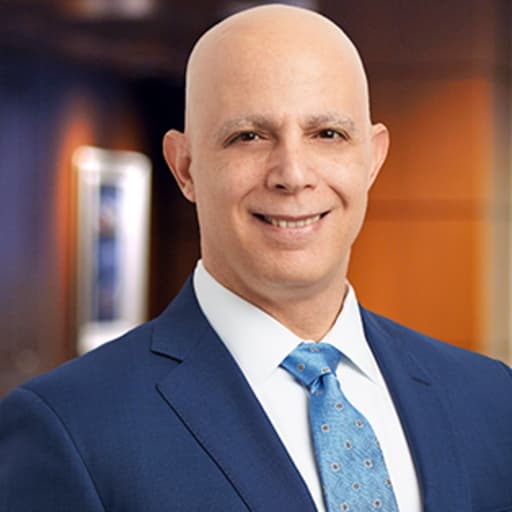
Artificial Intelligence, Cybersecurity, and IP Attorney | Maslon LLP
Eran Kahana is an AI, cybersecurity, and intellectual property lawyer as well as a Fellow at Stanford Law School, a member of the Advisory Board of Stanford Law School’s Stanford Artificial Intelligence & Law Society, an adjunct professor of law at the University of Minnesota Law School, and a member of the Scientific Council of the Israeli Association for Ethics in Artificial Intelligence. In his practice, Eran counsels clients on a wide variety of matters related to AI, cybersecurity, privacy, technology law, trademarks, patents, and copyright issues. Eran also serves in a variety of cybersecurity thought leadership roles and works closely with the FBI, Department of Justice, Secret Service, and colleagues from the private and academic sectors to set, promote, and sustain cybersecurity best practices. At Stanford Law School, Eran writes and lectures on the intersect between law and AI and is a frequent speaker at Stanford's annual Digital Economy Best Practices Conference. He has been cited in Oxford University Professor Marcus Du Satoy’s book The Creativity Code: Art and Innovation in the Age of AI and has been interviewed on AI, cybersecurity, privacy, and technology law by Bloomberg Law, BBC, Canadian Broadcasting Corporation (CBC) radio, KABC radio, Minnesota Public Radio, Twin Cities Business magazine, Star Tribune, Minnesota Lawyer, TheStreet.com, Quartz magazine, and Stanford University Radio, KZSU FM.
