Ideas for before and during a recession to emerge financially stronger.
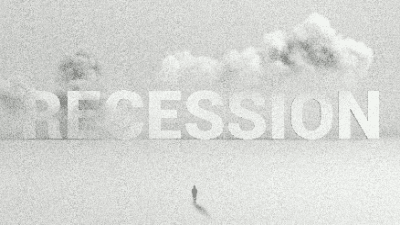
Companies get into trouble in the good times. However, that doesn't mean that they fail during good economic times. Rather, they make decisions that cause them financial stress when a recession hits. This course gives you financial management ideas for what to do before and during a recession.
The course begins by explaining who determines when a recession has occurred in the United States and the criteria they use to make that determination. I'll then list some challenges businesses face during a recession. Specifically, I'll show how companies get trapped with high costs and cash outflows during a recession.
In the last half of the course, we’ll look at many financial management ideas you can implement before and during a recession to improve your company's ability to survive and thrive. Finally, we'll look at some opportunities businesses have during recessions to improve profitability when good economic times return.
For much of my career, I was part of the senior leadership at banks and a large credit union. I've sat through many special asset meetings, which is the euphemism banks use for meetings about bad loans and repossessed assets. The collections department reported to me at one financial institution. I've seen many of the financial mistakes companies make. It truly saddened me. My hope is that this course gives you ideas to help businesses make fewer and less costly mistakes.

Founder of CFO Perspective
Rob Stephens is the Founder of CFO Perspective, which provides continuing education courses for CPAs and financial management courses for business advisors and staff. He has been quoted in Forbes, U.S. News and World Report, Bloomberg Businessweek, and many other news sources. He is also the author of Key Performance Indicators and KPI Dashboards. Rob has a 30-year career that includes serving as a CFO, Director of Operations, and SVP of Finance. Rob is an adjunct instructor for the MBA program at Gonzaga University. Rob holds a Masters of Science in Personal Financial Planning and a Graduate Certificate in Financial Therapy from Kansas State University. He received a B.A. in Business Administration from the University of Washington.
