Learn how to handle accommodations pertaining to disabilities, religion and pregnancy, and how the ADA and FMLA may overlap (US)

This course offers a practical, up-to-date look at the legal responsibilities employers have when accommodating disabilities and religious beliefs in the workplace. Through real-world cases and common workplace scenarios, you’ll learn how federal laws like Title VII, the Americans with Disabilities Act (ADA), and the Family and Medical Leave Act (FMLA) shape the duty to reasonably accommodate. Special attention is given to complex and timely topics such as vaccinations, biometric scanners, mental health, and religious attire or grooming practices.
Whether you're in HR, management, or compliance, this course will help you understand how to respond appropriately and lawfully to employee accommodation requests. You'll also explore the legal nuances between the ADA and Title VII, and learn how recent court cases and regulations apply to today’s workplace.
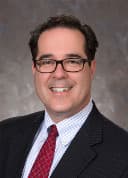
David Miklas is the managing attorney of the Law Office of David Miklas, P.A. and he previously was a Partner/Shareholder with the law firm of Richeson & Coke, P.A., West Palm Beach and Fort Pierce. For 20 years Mr. Miklas has practiced all types of labor and employment law exclusively representing management (Florida employers), including both private employers, as well as Florida municipalities and school districts. He is an active member of the Academy of Florida Management Attorneys, the Florida Bar, the American Bar Association, and their Labor & Employment Law Sections. Mr. Miklas is a member of several local Florida bar associations including their Employment Law Committee. Mr. Miklas previously served on the Florida Bar Labor & Employment Law Section’s Wage and Hour Administration Liaison subcommittee and was chosen to be the 2018-20 Martin County Bar Association’s Labor & Employment Law Committee co-Chairman. Mr. Miklas has been listed in Florida Super Lawyers since 2009 (listing no more than the top 2.5% of attorneys in the state) and has the highest, “Superb,” AVVO rating. Mr. Miklas has authored hundreds of employment discrimination articles, and co-authored a LexisNexis Expert Commentary on a Florida Law requiring employers provide leave for Domestic Violence, and is a co-author of one of the country’s leading legal Treatise on Employment law in Florida: Employment in Florida: A Guide to Employment Laws, Regulations and Practices, 2nd Ed., and for seventeen years, has been a contributing author for The Developing Labor Law, 3rd - 6th Ed. Mr. Miklas is a frequent employment law presenter and is a nationally recognized speaker and an invited guest lecturer addressing employment law and human resource issues with over thirty universities, including Harvard. Mr. Miklas graduated from the University of Florida College of Law.
