Decoding Complexities of Shareholder Litigation in Corporate Governance

This course delves into the intricate world of derivative actions, shedding light on the legal frameworks and strategic considerations vital for directors, officers, and stakeholders within a corporation. Designed by leading experts from Seyfarth Shaw LLP, the course offers a deep dive into the prerequisites for filing derivative claims, the nuanced roles of corporate boards, and senior officers in navigating these actions. Participants will explore the critical aspects of demand requirements, learn effective strategies for addressing demand futility, and gain expert insights into crafting responses to shareholder demands. By examining the pros and cons of demand refusal, the importance of early factual review, and discovery, learners will grasp the potential risks and rewards associated with derivative actions. This knowledge is crucial for not only the parties involved but also their insurers and affiliated entities, guiding them through the complexities of shareholder litigation and enhancing their corporate governance skills.
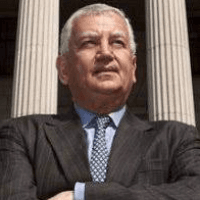
Chairman of the Litigation Department of Seyfarth Shaw LLP’s New York office and is Co-Chair of the national Securities Litigation Practice
Greg Markel is a nationally known trial lawyer who concentrates his practice on securities litigation, corporate governance litigation, mergers and acquisition litigation and antitrust litigation particularly in bet your company cases. He has been recognized for years as a leader in the profession by many publications including: 2013 Lawyers of the Year for Mergers and Acquisition by Best Lawyers, LawDragon’s 500 Leading Lawyers in America, and one of the 100 Securities Litigators You Need to Know, one of the Top 100 Lawyers in New York by Super Lawyers, highly ranked by Chambers for Securities Litigation, Benchmark as a national Litigation Star, for outstanding performance by Best Lawyer’s in America, Legal 500 Leading Commercial Litigators, “Best in Class” in the legal profession by BestofUS.com, The International Who’s Who of Commercial Litigators and many others. Greg is a graduate of Yale Law School, the University of Michigan with an MBA in Finance and Columbia College. Greg has played a lead counsel role in many bet-your-company litigation on behalf of many leading corporations and financial institutes. He is a member of the Litigation and Antitrust sections of the American Bar Association; the Federal Bar Council; the City Bar Committee on Securities Litigation; the Securities Industry Association – Compliance & Legal Division; the New York State Bar Association, Commercial Litigation Section, is a Fellow of the New York Bar Foundation and is a member of the Boards of the Legal Aid Society, the New York County Lawyers Association (NYCLA) and Junior Achievement of New York. He is frequently called on to comment on legal issues for the Wall Street Journal, The Financial Times, CNBC, Bloomberg TV, Bloomberg Radio, The New York Times, Time, Newsweek, The Daily and the Associated Press. Greg also frequently speaks to the press and others on a range of topics, such as securities law, commercial litigation, accountants’ defense, director’s and officer’s liability, law firm management and Internet litigation.
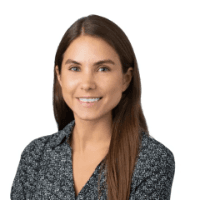
Senior Associate in Litigation at Seyfarth Shaw LLP
Sarah Fedner is a senior associate with significant experience representing special committees and individual officers and directors of large publicly traded corporations in both federal and state courts, as well as in connection with regulatory and internal investigations. Sarah’s extensive securities litigation experience includes representing the special committee of one of the oldest and largest banks in the United States in conducting an internal investigation in response to shareholders’ demand letters, defending the former controller of an international rental company in a federal securities class action alleging fraud, as well as a related federal government investigation, and representing the directors and officers of a pre-IPO technology startup company in a shareholders class action. She also has experience advising publicly traded companies in drafting corporate governance and ESG reports. Sarah has been an active thought leader by regularly writing about and moderating and presenting on panels related to securities and fiduciary litigation corporate governance and ESG issues. She has had articles featured in prominent securities publications, including the D&O Diary and the Review of Securities and Commodities Regulations, and written on numerous topics including, event driven securities litigation in the “Me Too” era, the consequences of the Cyan decision, mootness fees in merger cases, ESG-related securities litigation and best disclosure practices, and access to corporate books and records under Delaware law. She has regularly led CLEs on best practices for internal investigations, managing and protecting corporate books and records, the roles of directors and officers, settling securities class actions, and various ESG topics, including how these topics relate to board duties. She has regularly helped organize a number of panels, including securities-related panels for the New York City Bar’s annual Securities Litigation Institute and panels discussing diversity and the law for the New York County Lawyers Association. She was recognized as a “Ones to Watch” lawyer by Best Lawyers in America for Securities Litigation (2024).
