Safeguard your commercial real estate portfolio from market volatility by mastering the legal frameworks and financial mechanics of interest rate swaps, caps, and derivatives.

Volatile interest rates continue to reshape the commercial real estate financing landscape, placing increasing pressure on borrowers, lenders, and securitization structures. As floating-rate debt becomes more exposed to market fluctuations, interest rate hedging tools—particularly caps and swaps—have become essential instruments for managing risk and preserving deal stability.
This course provides a practical legal and financial guide to understanding, structuring, and documenting interest rate hedges in commercial real estate transactions. The panel will unpack when hedging is appropriate, how different structures function under current market conditions, and the key risks embedded in these arrangements. With a focus on real-world deal execution, participants will gain clarity on pricing, documentation standards, and the complexities that arise when hedges intersect with existing financing and intercreditor arrangements.
Key Topics Discussed:
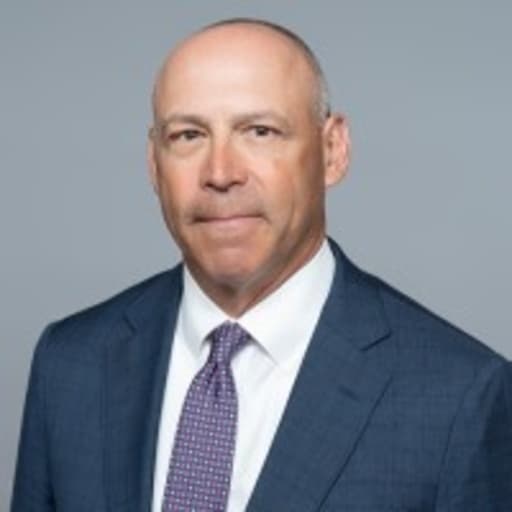
Counsel | Lewis Brisbois
Scott Diamond is Counsel at Lewis Brisbois, where he advises clients on derivatives, securities, and complex structured products. His practice encompasses providing legal and regulatory advice to securities intermediaries—including clearing and introducing brokers, municipal and investment advisors, investment companies, alternative trading services, and hedge funds—as well as derivatives intermediaries such as swap dealers, commodity trading advisors, and swap execution facilities. He is active in transactional work, provides strategic regulatory counsel, and represents clients in agency and self-regulatory enforcement matters. With more than three decades of experience at the intersection of banking, securities, and derivatives law, Scott has served in senior leadership roles across the financial sector. Before joining Lehman & Eilen, he co-led Ballard Spahr’s Derivatives, Structured Products, and Secondary Markets Team. He previously held positions as Managing Director, Deputy General Counsel, and Head of the Investment Banking Legal Group at Sumitomo Mitsui Banking Corporation, where he oversaw a team of attorneys through the 2008 financial crisis, significant litigation involving the Lehman Brothers estate and insurers, and the implementation of Dodd-Frank, the Volcker Rule, and LIBOR transition. Earlier in his career, Scott was Futures and Derivatives Counsel at Prudential Financial and a Public Defender in Saint Croix USVI. He began his legal career at the Commodity Futures Trading Commission. Across these diverse roles, he has consistently partnered with clients to maximize opportunities while minimizing risk, ensuring compliance with evolving U.S. and global regulatory frameworks. Clients value Scott’s deep knowledge of securities and derivatives regulations, his extensive buy and sell-side experience, and his strong relationships with both regulators and market participants. His work spans equity derivatives, interest rate hedging, commodity finance, foreign exchange, options strategies, treasury asset-liability management, anti-money laundering, debt capital markets, fixed-income and equity trading, globally branded research, and related compliance and policy matters.
