A focused examination of eligibility, inventorship, and patent application drafting and prosecution for Al-related inventions under U.S. patent law.
Artificial intelligence is now routinely used to identify compounds, optimize designs, generate code, and propose technical solutions. As AI tools become embedded in research and development workflows, patent practitioners must address a range of issues unique to this technology.
AI-related inventions can pose some unique legal questions, e.g., regarding conception. Recent statements from the USPTO provide guidance for obtaining a granted US patent directed to AI-related inventions. Holdings from the Federal Circuit and Supreme Court provide the standards by which those patents will be tested in litigation.
This program provides a practical approach for protecting AI-related inventions based on specific, cited case law, and USTO provisions. It addresses AI-specific risks in prosecution and litigation (e.g., subject matter eligibility, inventorship, and enablement), and proposes practical strategies for meeting these risks.
This webinar will equip participants with the tools to:
Understand current judicial standards and USPTO guidance regarding inventorship and subject matter eligibility in AI-related inventions
Understand how the use of AI in the invention process may impact patentability
Draft and prosecute patent applications in view of AI-specific risks.

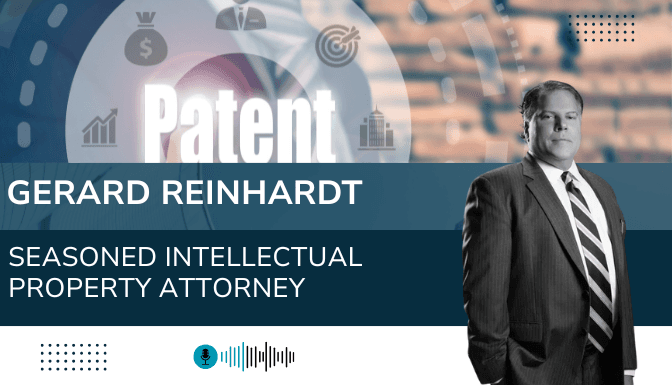
Seasoned Intellectual Property Attorney
Gerard Reinhardt is a seasoned patent attorney with more than twenty years of experience advising clients on the development, protection, and commercialization of intellectual property. His practice is centered on creating and maximizing commercial value through strategic patent portfolio development and management. Gerard’s expertise spans the full lifecycle of patent matters, including drafting and prosecuting U.S. and international patent applications, negotiating and structuring licensing transactions, and conducting detailed due diligence assessments. He regularly provides opinions on patentability, freedom-to-operate, infringement, and validity, and represents clients in the enforcement and defense of patent rights. In addition, he advises on related intellectual property matters involving trademarks, trade secrets, copyrights, and domain names. Complementing his legal expertise, Gerard holds both Bachelor’s and Master’s degrees in Chemical Engineering and brings 25 years of industry experience across pharmaceuticals, hydrocarbon processing, fluoropolymers, avionics, and jet propulsion. This technical background enables him to deliver practical, commercially focused advice to clients operating in complex, innovation-driven sectors.
