Equip your board to confidently oversee AI strategy, mitigate emerging risks, and fulfill fiduciary duties during a time of rapid technological disruption.
Artificial intelligence is no longer a technical issue delegated to IT departments—it is now a core governance and fiduciary responsibility at board level. As AI systems increasingly influence decision-making, operations, and risk exposure, directors and officers face growing legal, regulatory, and reputational obligations.
This webinar examines how AI is reshaping the responsibilities of boards of directors, from fiduciary oversight and disclosure duties to auditability challenges created by autonomous systems. Participants will explore what regulators now expect, how governance frameworks are evolving, and how boards can practically discharge their duties in environments where decision-making is partially or fully machine-driven.
The session also provides practical guidance for directors and legal advisors on implementing effective oversight mechanisms, strengthening accountability structures, and preparing for system failures in AI-enabled organisations.
Key Topics Discussed:
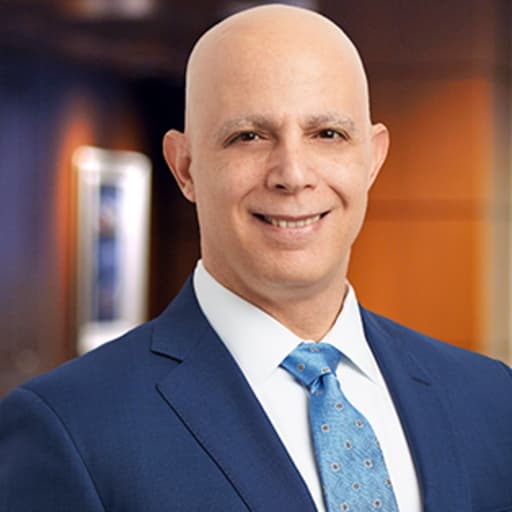
Artificial Intelligence, Cybersecurity, and IP Attorney | Maslon LLP
Eran Kahana is an AI, cybersecurity, and intellectual property lawyer as well as a Fellow at Stanford Law School, a member of the Advisory Board of Stanford Law School’s Stanford Artificial Intelligence & Law Society, an adjunct professor of law at the University of Minnesota Law School, and a member of the Scientific Council of the Israeli Association for Ethics in Artificial Intelligence. In his practice, Eran counsels clients on a wide variety of matters related to AI, cybersecurity, privacy, technology law, trademarks, patents, and copyright issues. Eran also serves in a variety of cybersecurity thought leadership roles and works closely with the FBI, Department of Justice, Secret Service, and colleagues from the private and academic sectors to set, promote, and sustain cybersecurity best practices. At Stanford Law School, Eran writes and lectures on the intersect between law and AI and is a frequent speaker at Stanford's annual Digital Economy Best Practices Conference. He has been cited in Oxford University Professor Marcus Du Satoy’s book The Creativity Code: Art and Innovation in the Age of AI and has been interviewed on AI, cybersecurity, privacy, and technology law by Bloomberg Law, BBC, Canadian Broadcasting Corporation (CBC) radio, KABC radio, Minnesota Public Radio, Twin Cities Business magazine, Star Tribune, Minnesota Lawyer, TheStreet.com, Quartz magazine, and Stanford University Radio, KZSU FM.
